Category Statements

Afghanistan’s Statement at the UN General Assembly Sixth Committee on the Rule of Law at the National and International Levels
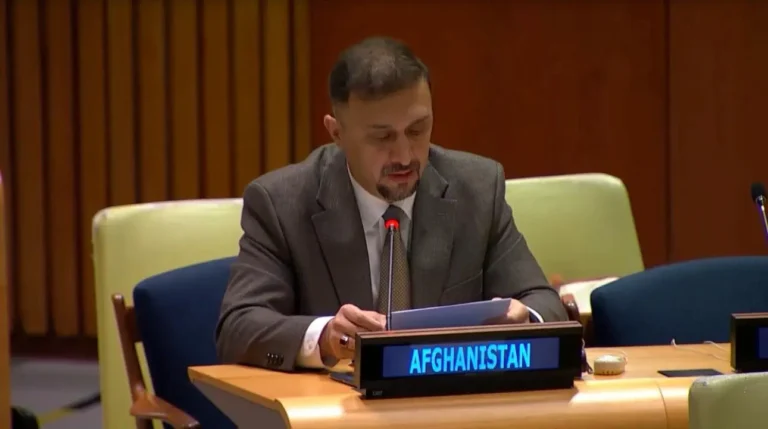
Ambassador Naseer Ahmad Faiq highlighted the Taliban’s dismantling of legal and judicial safeguards and called for legitimate, accountable governance through an Afghan-led political process supported and facilitated by the United Nations. He urged stronger accountability mechanisms, equal access to justice and consistent respect for international law, stressing that control over territory does not confer legitimacy.
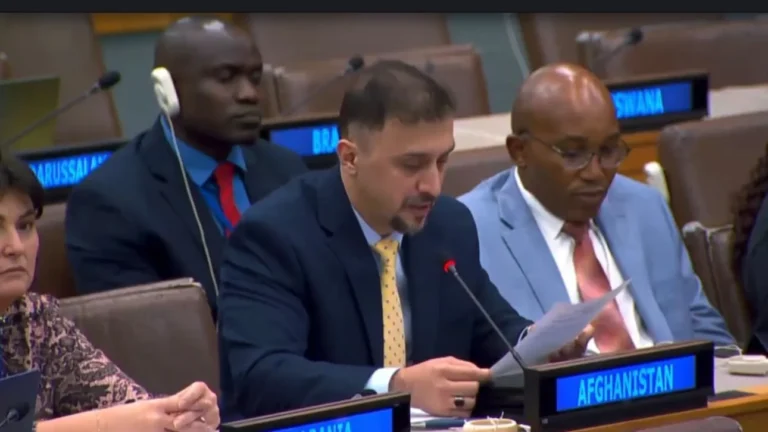
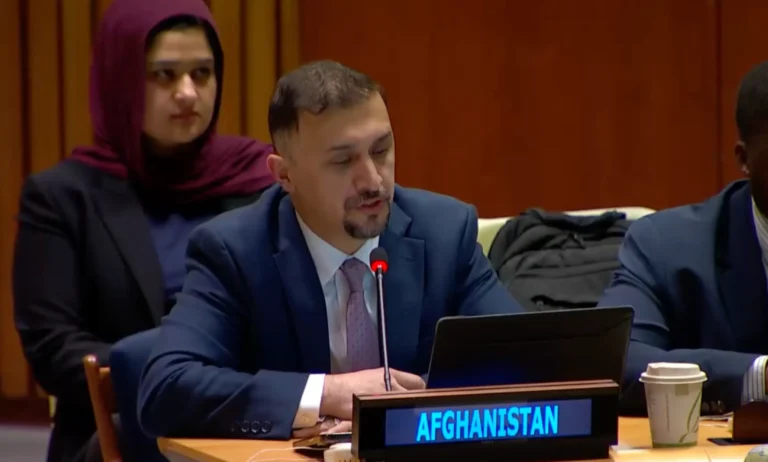
Statement by H.E. Mr. Naseer Ahmad Faiq on the Promotion and Protection of Human Rights

Ambassador Faiq condemned the Taliban’s institutionalised discrimination and repression and called for concrete international action to protect the rights of all Afghans. He welcomed recent ICC action, urged stronger accountability and stressed that engagement must be tied to verifiable human rights improvements and support an inclusive Afghan-led political process.

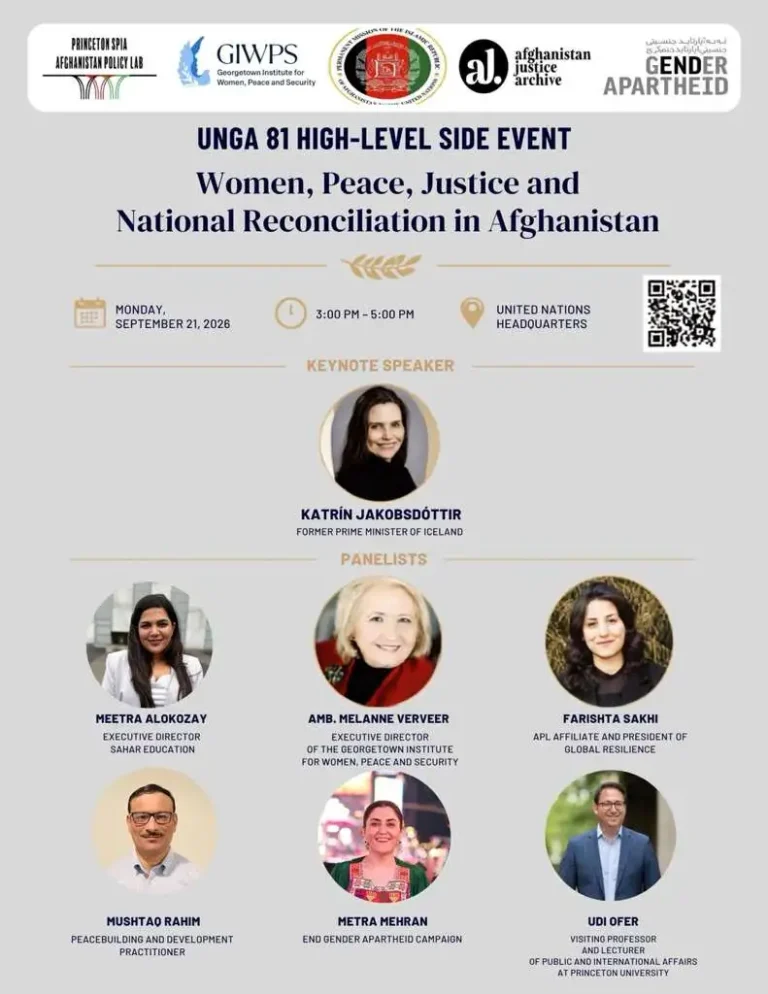
Opening Remarks at the UNGA 81 High-Level Side Event on Women, Peace, Justice and National Reconciliation in Afghanistan

In his opening remarks at the UNGA 81 High-Level Side Event on “Women, Peace, Justice and National Reconciliation in Afghanistan,” Chargé d’Affaires Naseer Ahmad Faiq emphasized that Afghan women must be recognized as political stakeholders and leaders, not only as victims. He called for an inclusive, Afghan-led political process grounded in justice, accountability, meaningful participation, and national reconciliation.

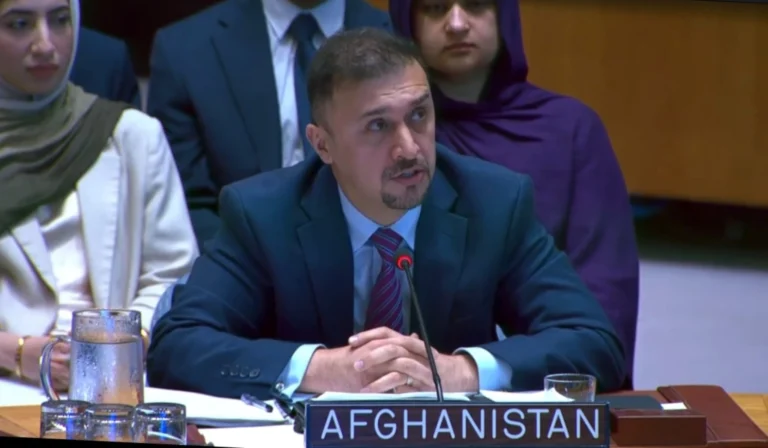
Statement by H.E. Naseer Ahmad Faiq at the UN Security Council Briefing on Afghanistan -16 September 2026

Naseer Faiq - UNSC

Five years after the Taliban’s return to power, Afghanistan continues to face deep political, humanitarian, human rights, and security challenges. In his statement to the UN Security Council, Naseer Ahmad Faiq called for principled international engagement, protection of the rights of women and girls, accountability, and a genuine Afghan-led political process.

He stressed that “control of territory is not political legitimacy” and that Afghans must be participants—not spectators—in determining their country’s future.